Stand by a Young Person's Future

The Mentorship Programme brings together volunteer mentors who support children and young people throughout their educational and personal development journeys. You can access the application form to become part of this network of solidarity.

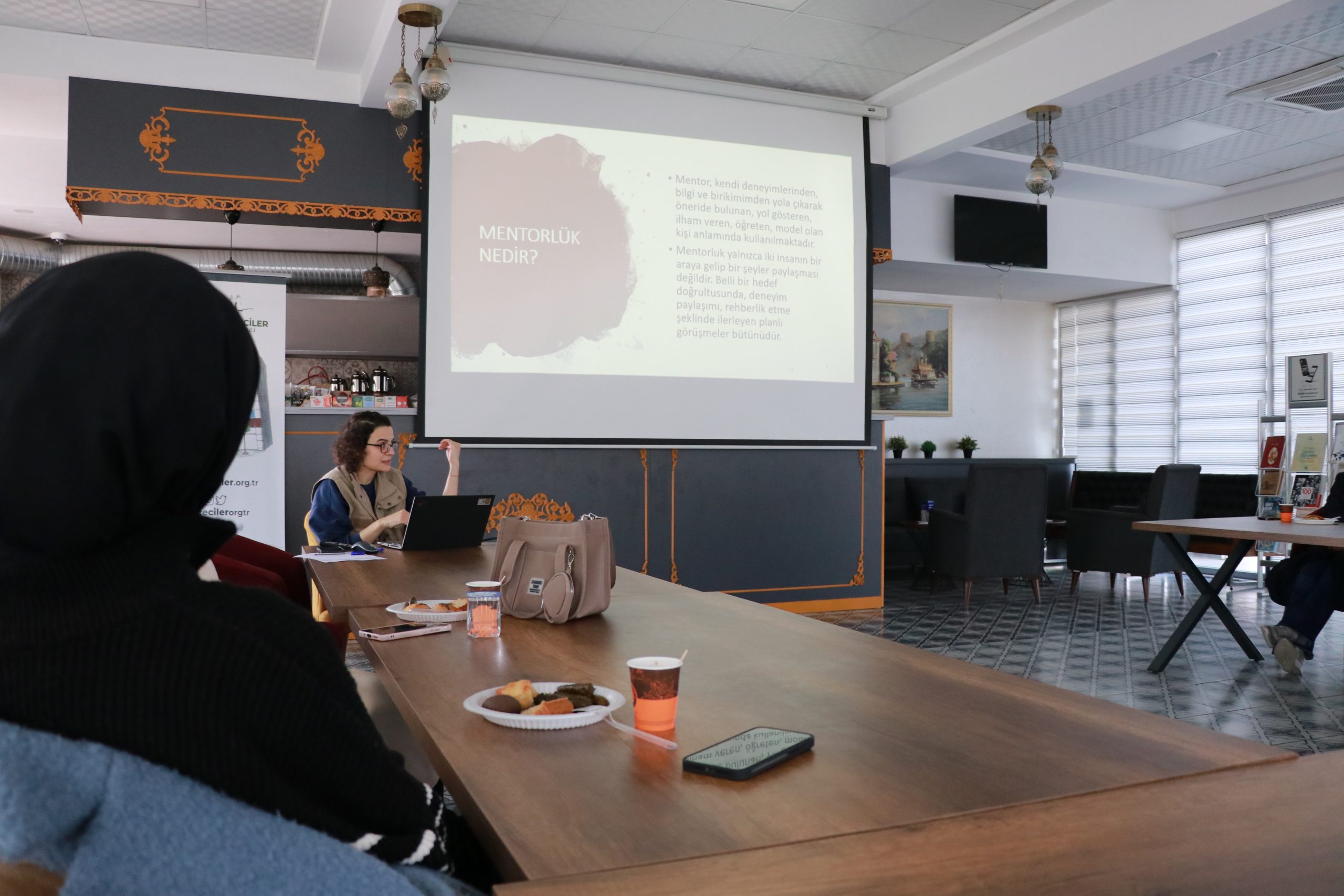
WHAT IS MENTORSHIP?

What is the Mentorship Programme?

The Mentorship Programme, implemented by the Refugee Association, aims to bring together mentees who need guidance and support in achieving their goals with volunteer mentors who have gone through similar life experiences and are willing to share their knowledge, experiences, and encouragement.

Rather than establishing a traditional teacher–student relationship, the programme promotes a supportive peer-to-peer connection, built on trust and mutual understanding—similar to that of an older sibling or a close friend. Through these meaningful relationships, potential risks such as school dropout, child labour, child, early and forced marriage, domestic violence, bullying, neglect, and abuse can be identified at an early stage, enabling timely preventive and protective interventions.

In addition to one-to-one mentoring, both mentors and mentees benefit from a range of training and capacity-building activities focused on education, career development, and personal growth, helping them strengthen their skills, confidence, and future opportunities.

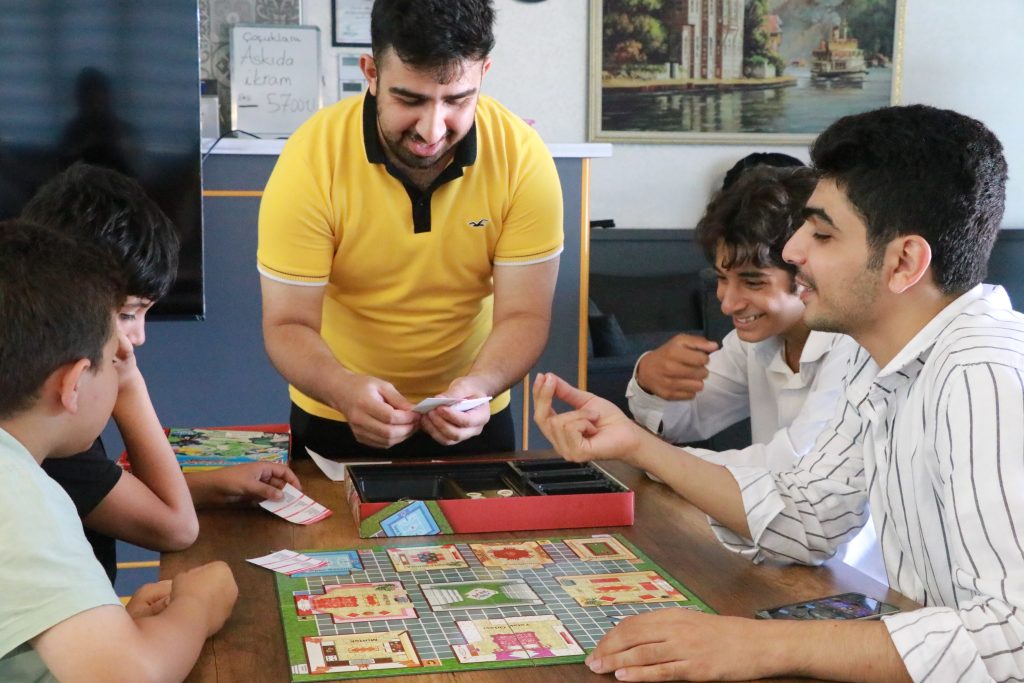
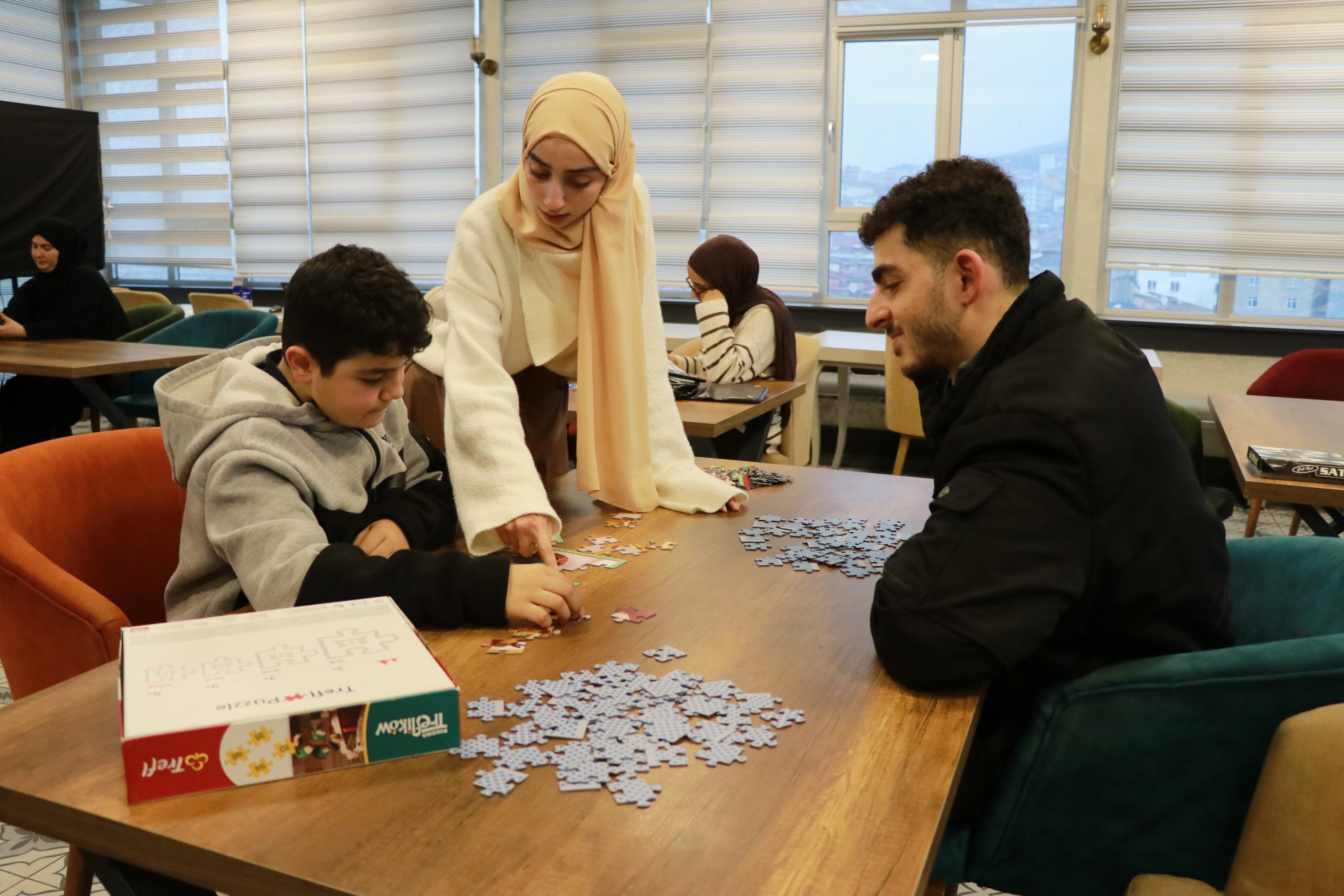
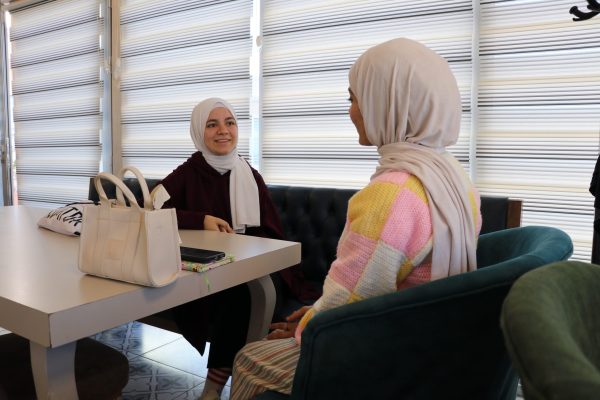
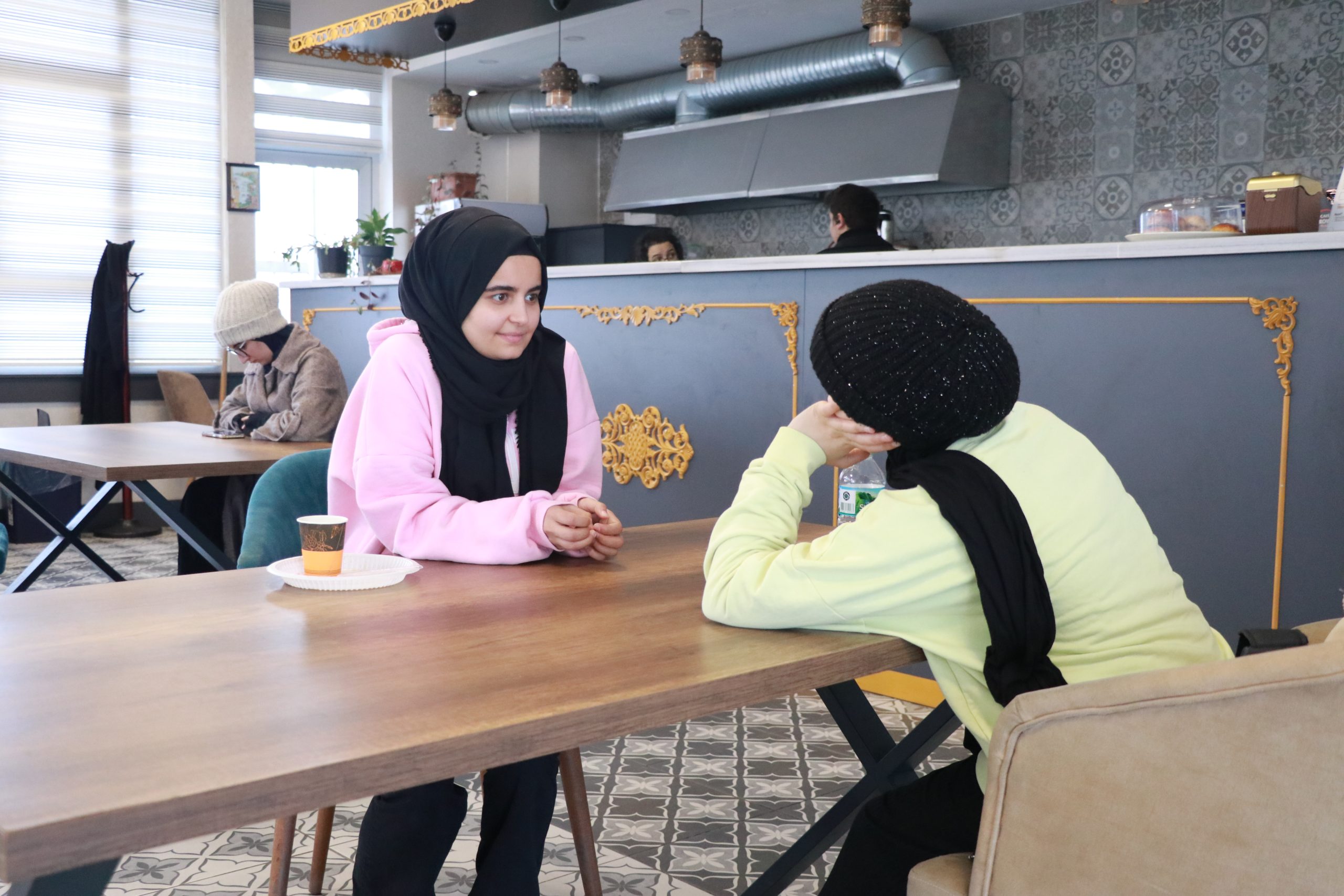
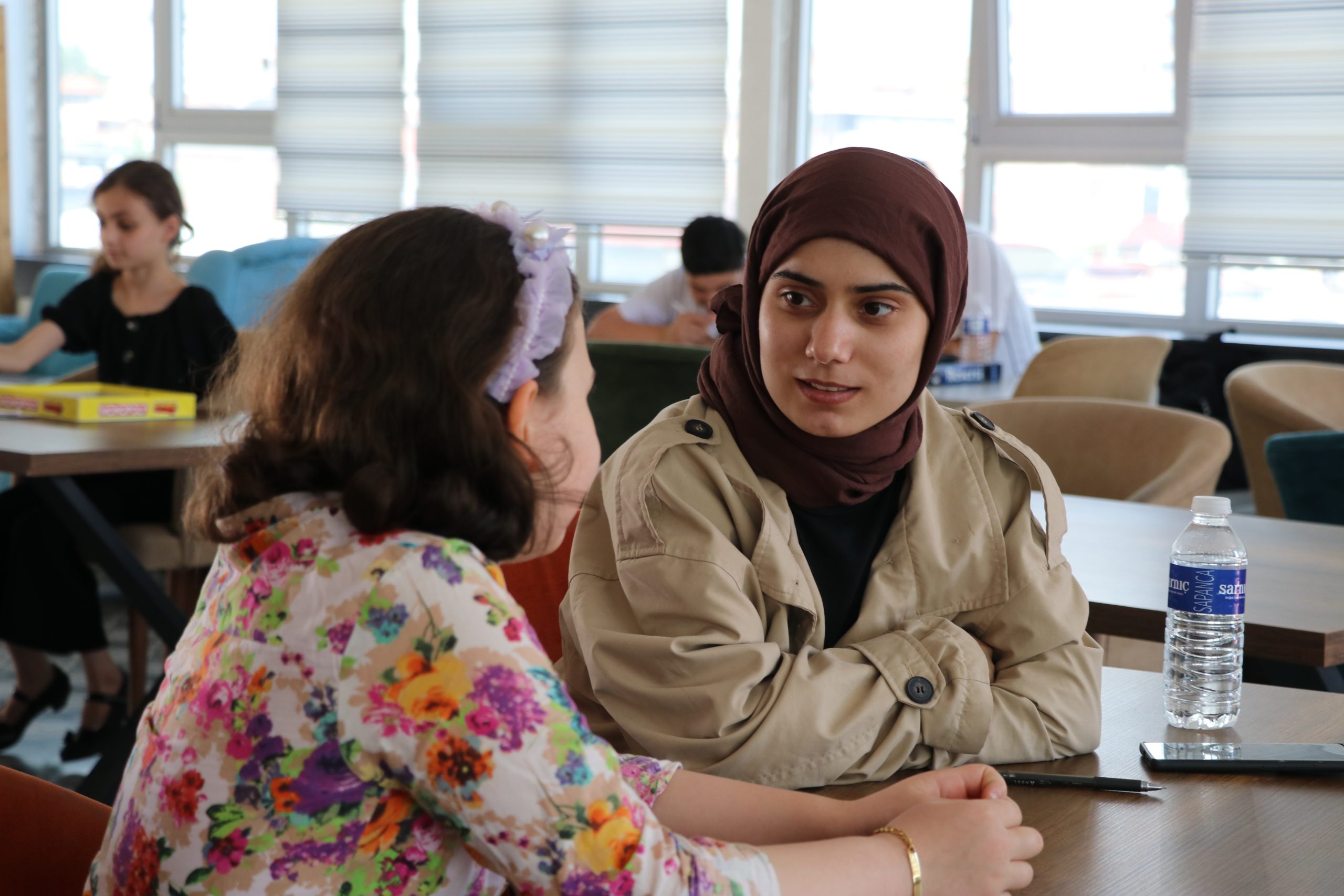
We hold our meetings at the Refugee Association’s Social Café, in a safe and welcoming environment where mentors and mentees can communicate face-to-face.

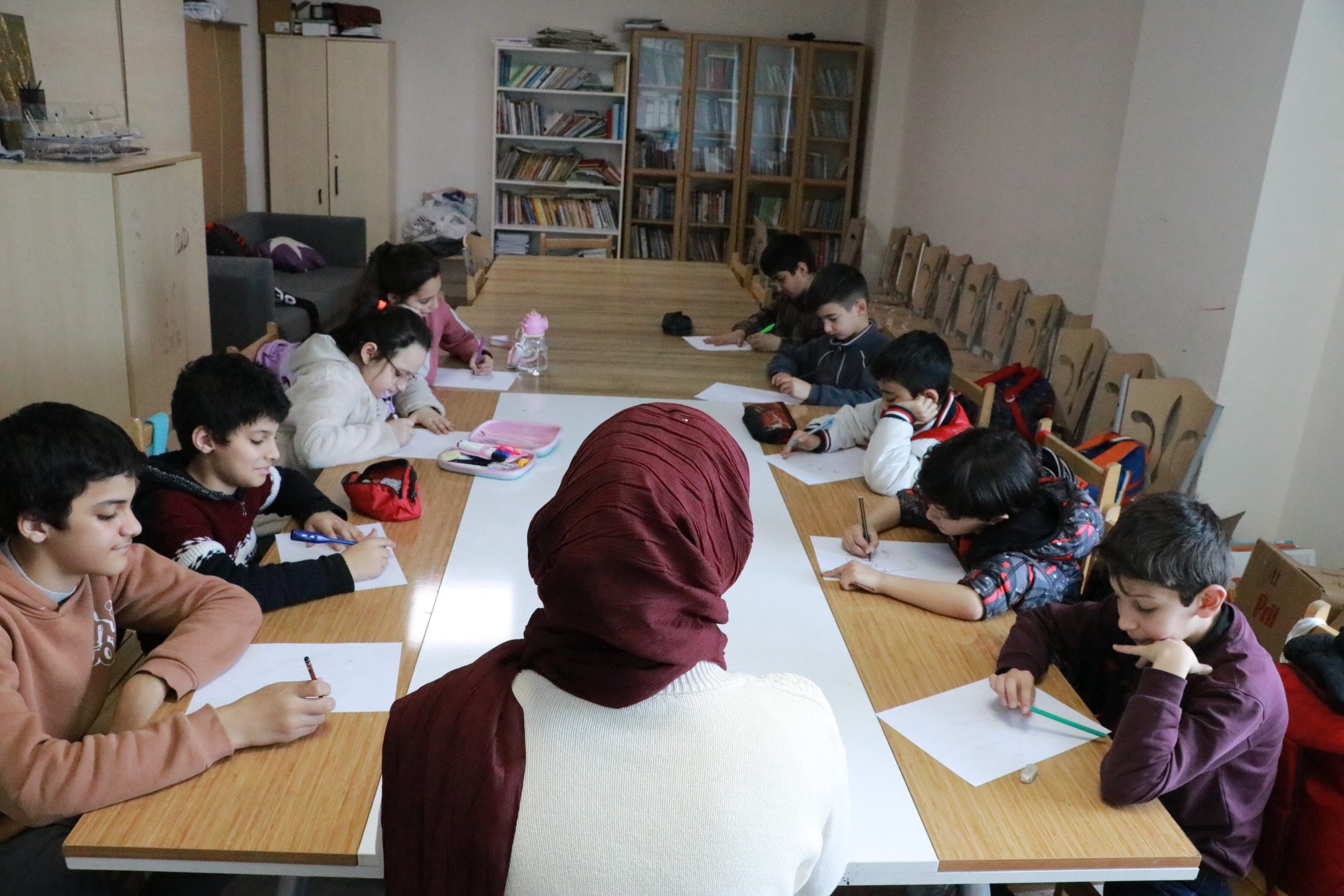
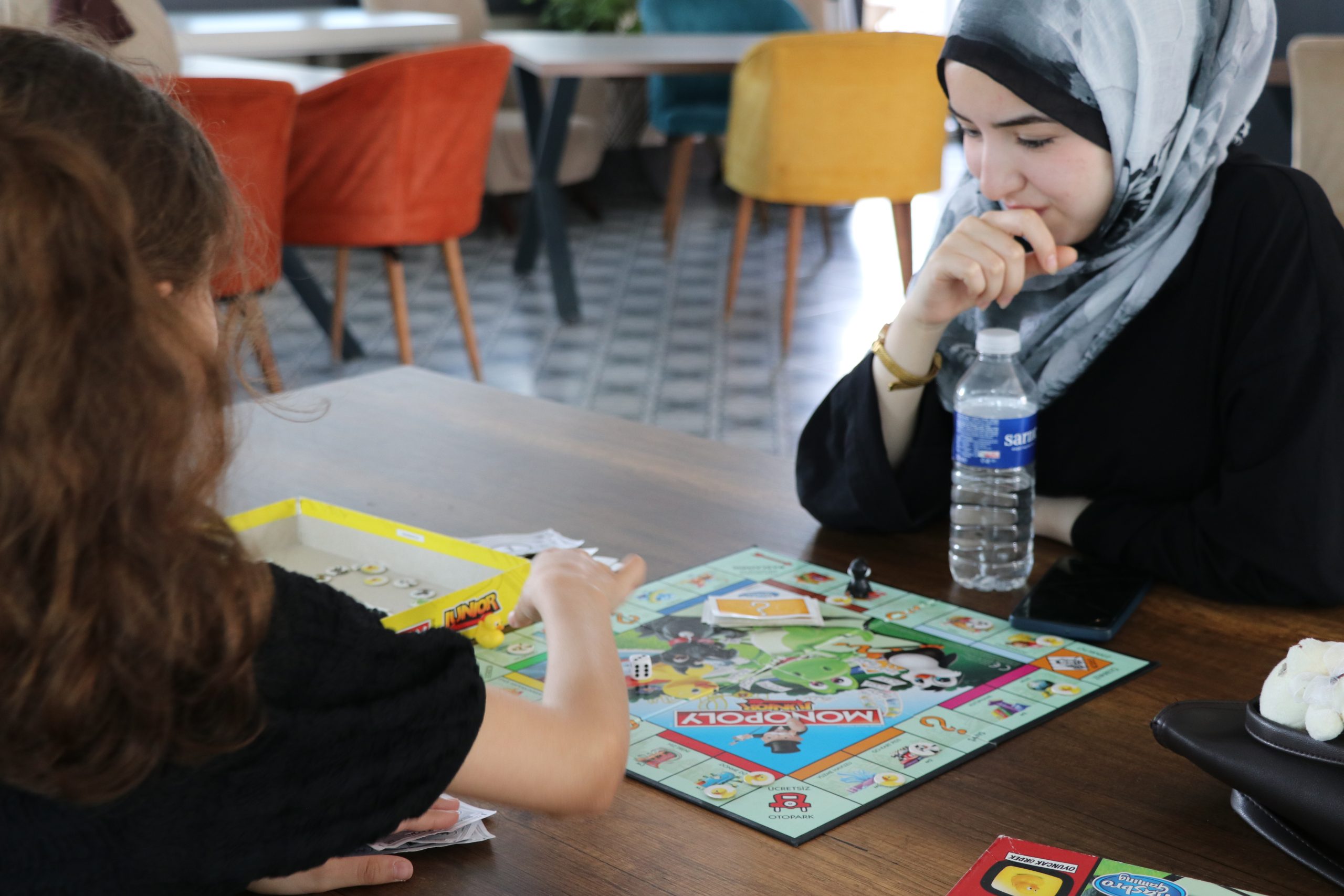
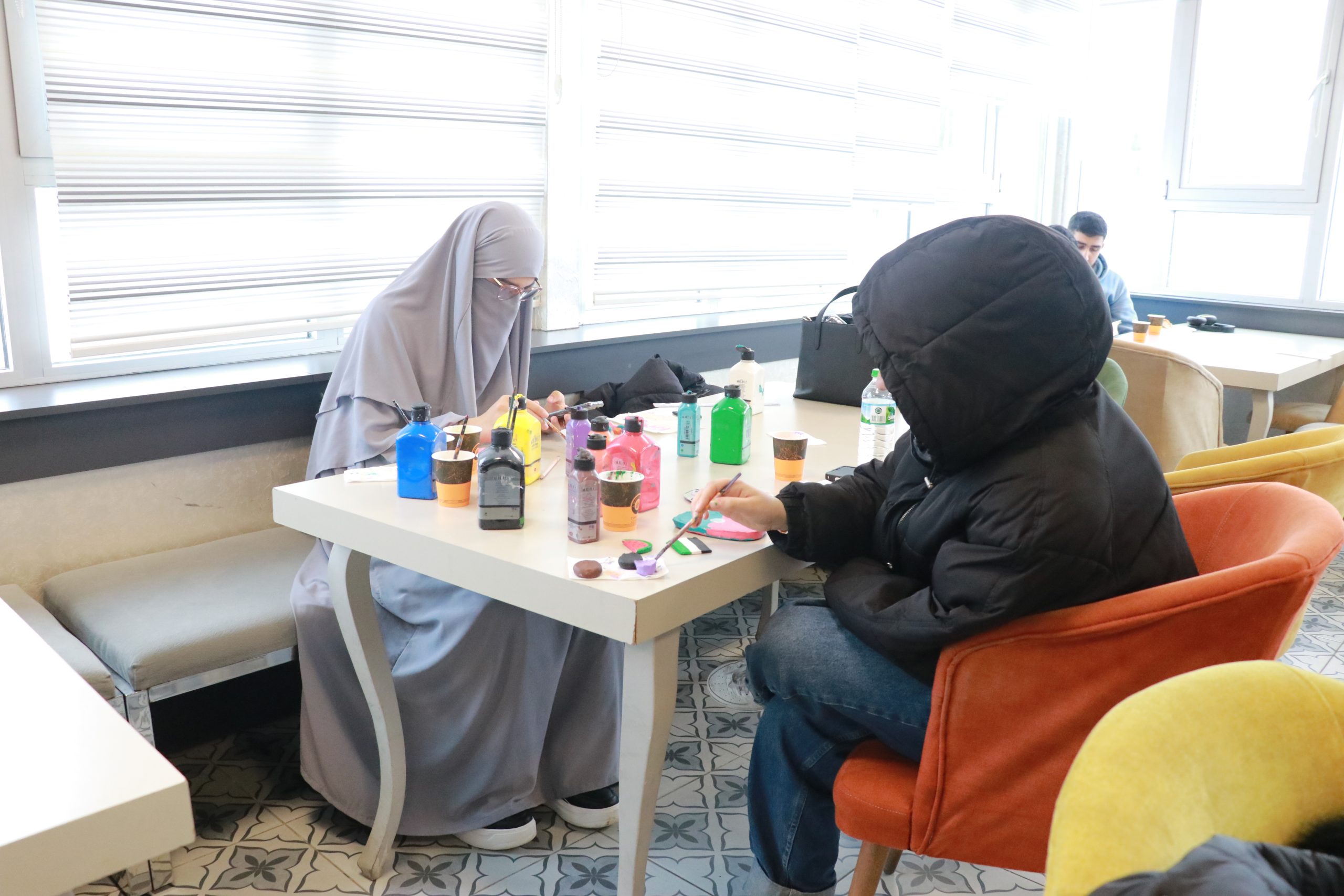
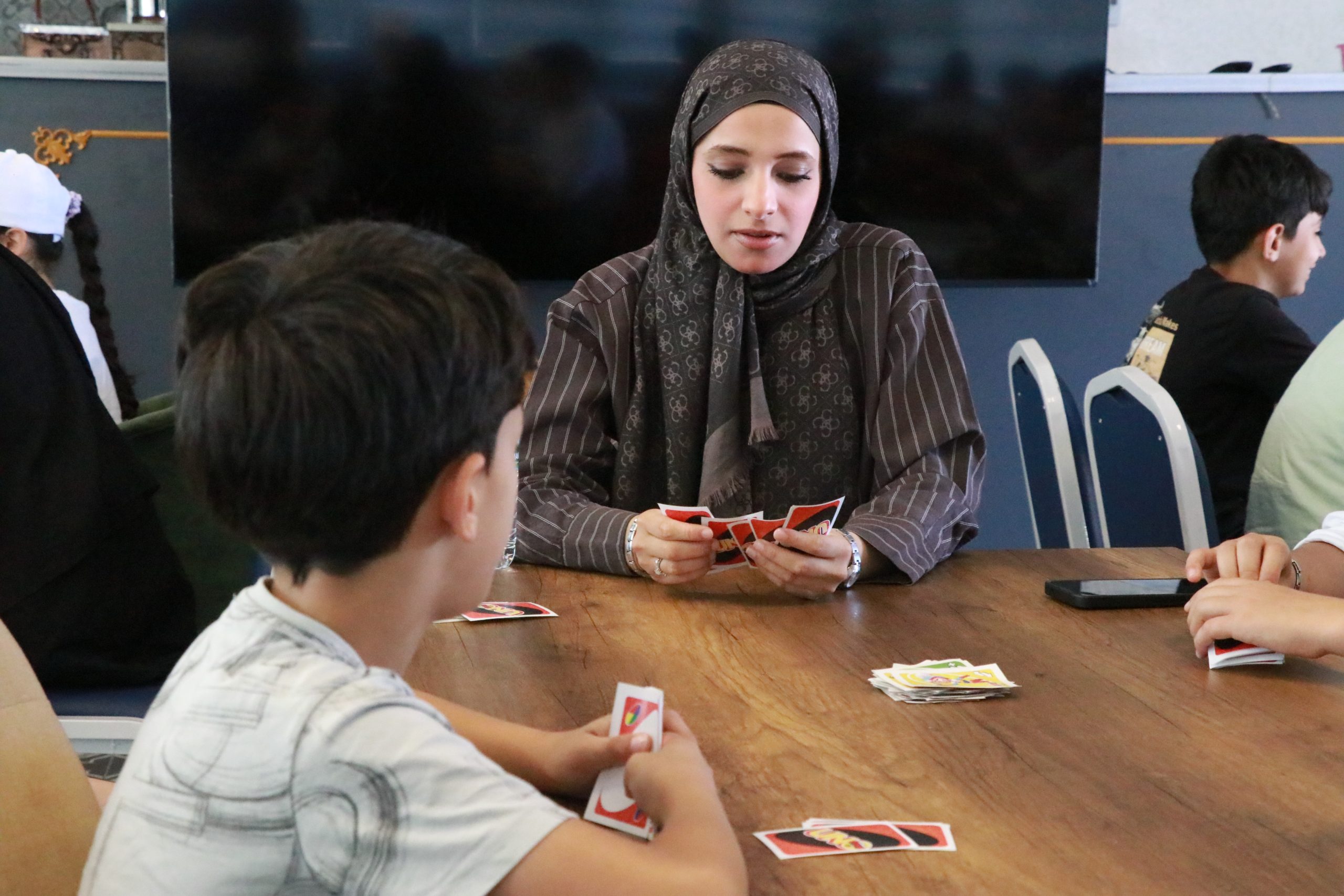
We go beyond formal meetings, building warm and supportive older sister/brother–younger sibling relationships through mind games and shared activities.

A mentor is a volunteer guide who accompanies a child or young person throughout their personal and educational journey by sharing their knowledge, experience, and insights. Mentors support mentees in identifying their goals, recognizing their strengths, and finding ways to overcome challenges. Rather than providing direct answers or making decisions on their behalf, mentors listen actively, encourage, and inspire critical thinking.

Drawing on their own experiences, mentors offer guidance in areas such as education, career planning, social life, and personal development. Throughout the mentoring relationship, they foster trust, mutual respect, and consistent communication. Mentors also remain attentive to the needs of their mentees and, when necessary, communicate with the programme team to ensure appropriate support. Mentoring is a mutually enriching experience, where mentors gain new perspectives and continue to grow alongside their mentees.

Who is a Mentor?

A mentee is a child or young person who wishes to receive support in the areas of education, career, social life, or personal development. They participate in the Mentorship Programme voluntarily and take active responsibility for their own development.

The mentee shares their goals, needs, and the challenges they face with their mentor in a safe environment. While benefiting from their mentor’s experience, they learn to make their own decisions and develop solutions to problems.

Mentees are expected to attend regular meetings and make an effort to achieve the goals they have set. The mentoring process helps mentees discover their strengths, build self-confidence, and plan their future more consciously. A mentee is not only someone who receives support, but also an active companion who contributes to the process.

Who is a Mentee?

IMG_9610-scaled.jpg

PROGRAM FLOW

PREPARATION AND PLANNING

MENTORSHIP TRAINING

MENTOR-MENTEE MATCHING

NEEDS ASSESSMENT AND GOAL SETTING

REGULAR MEETINGS

SUBMITTING MEETING FORMS TO THE COORDINATOR AFTER EACH SESSION

FEEDBACK AND EVALUATION

WRAP-UP AND REPORTING

WHAT DO WE DO?

What Do Mentees Say?

“Throughout the mentoring process, I have improved both my Turkish and English speaking skills. I feel more comfortable expressing myself and more confident when communicating with new people than I did before.”
Mentee, K,15
“Before joining the programme, I was uncertain about my future. Through the mentoring meetings, I was able to define my goals more clearly and learned many things I did not know about university life. I now look to the future with greater hope and a clearer plan.”
Mentee, K,18
“My mentor's understanding and constant support have been the most meaningful part of this journey for me. Over time, my self-confidence has grown, and instead of saying, ‘I can't do it,’ I now find myself saying, ‘I'll give it a try.’”
Mentee, K,15

What Do Mentors Say?

“At first, I wondered whether I would truly be able to make a difference. But after my first meeting with my mentee, all my doubts disappeared. Knowing that I could leave even a small positive impact on someone’s life strengthened my confidence and belief in myself.”
Mentor, E, 23
“It was not simply about giving advice; it felt like growing together. Connecting with my mentee’s energy was deeply rewarding, and I now feel much more comfortable expressing myself.”
Mentor,K, 21
“Being able to make even a small difference in someone’s life is a truly unique feeling. The social issues we see around us or hear people discussing no longer feel like ‘someone else’s problem’ to me.”
Mentor K, 21

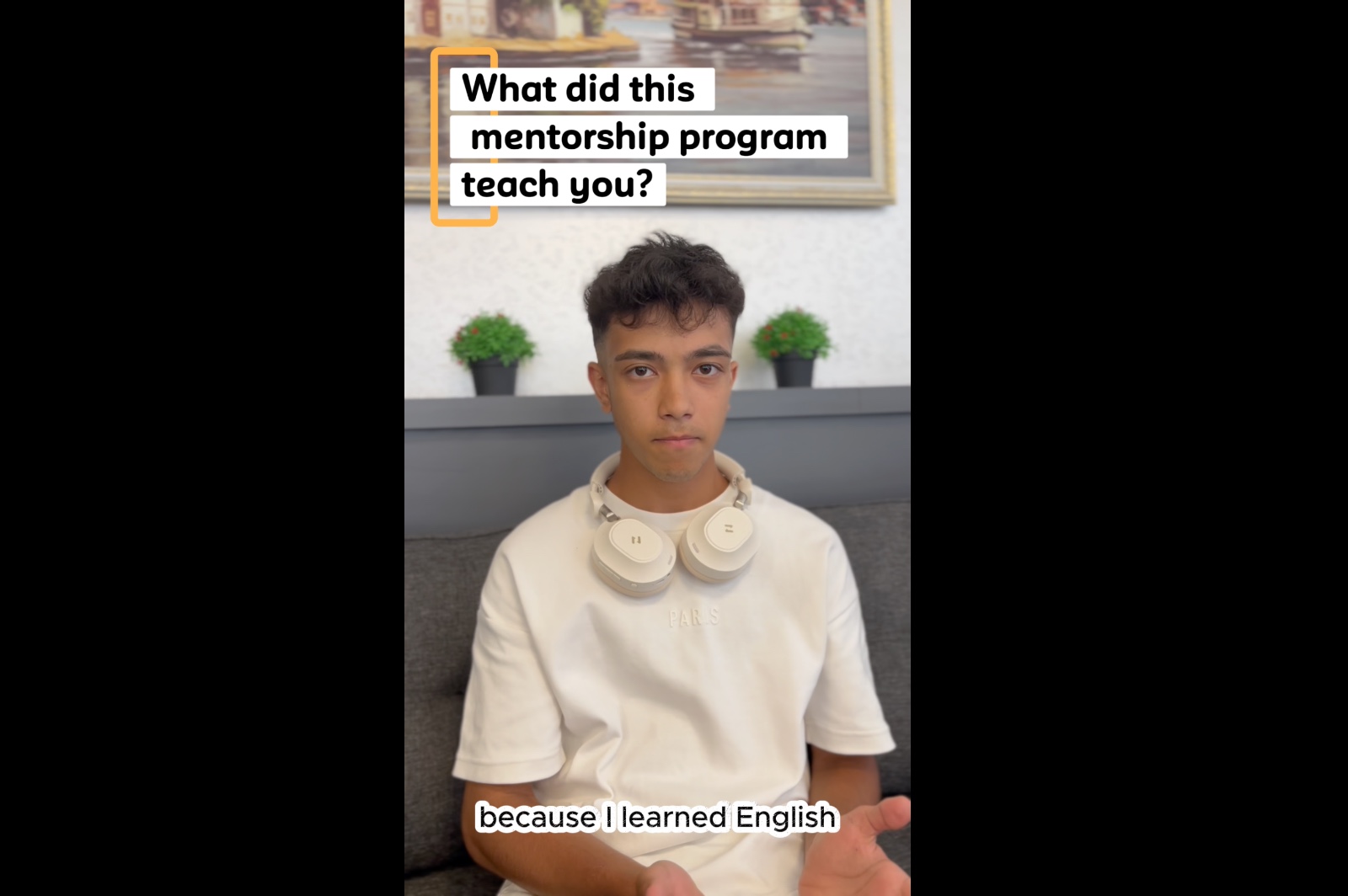
Mentorluk Programı Video

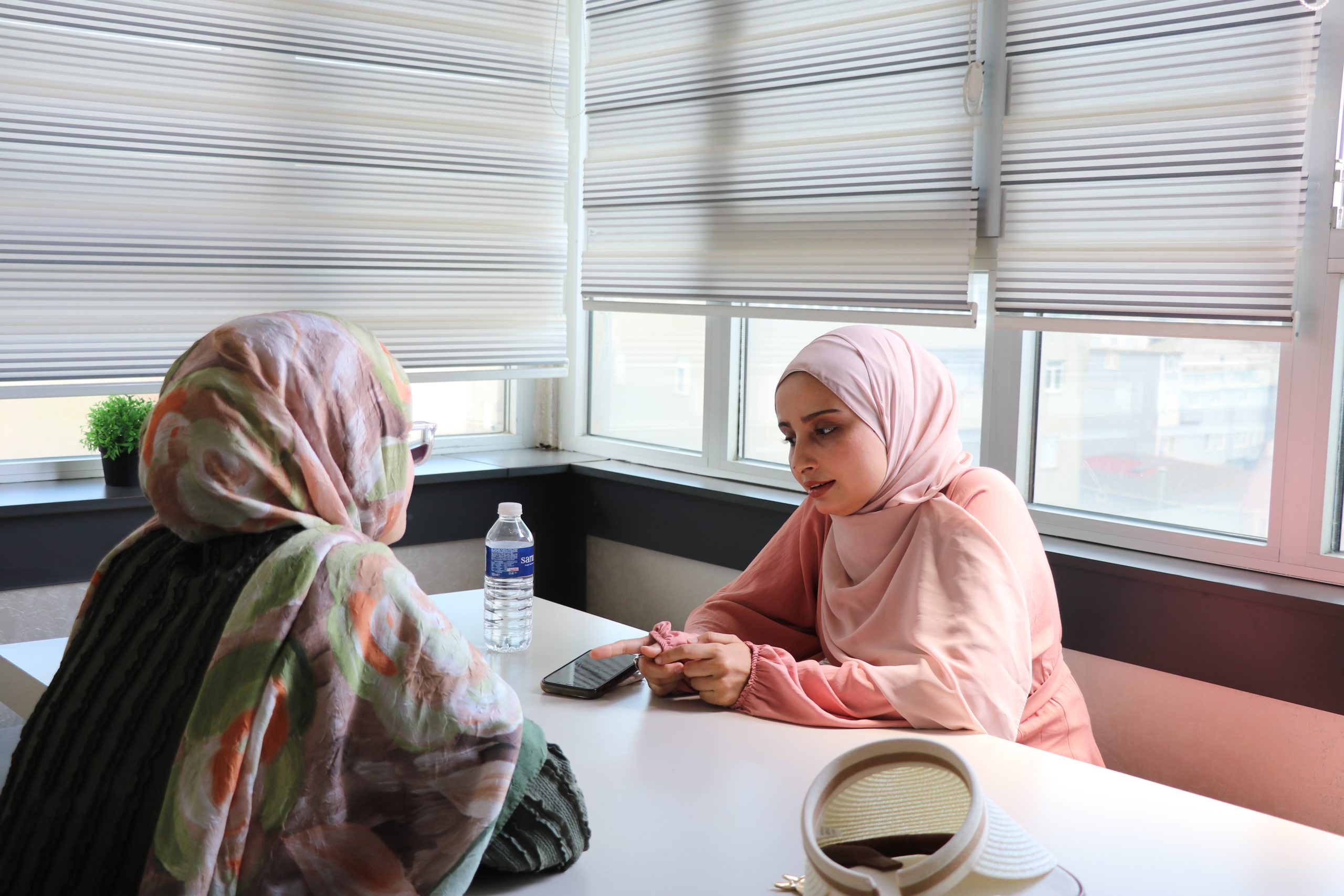
Mentoring Meetings

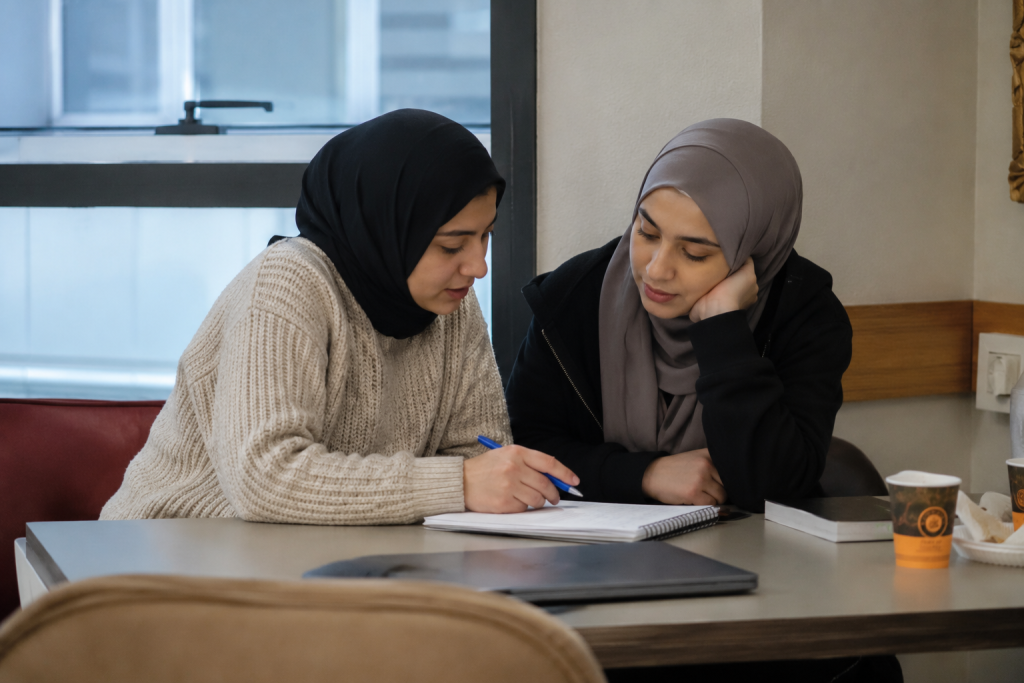
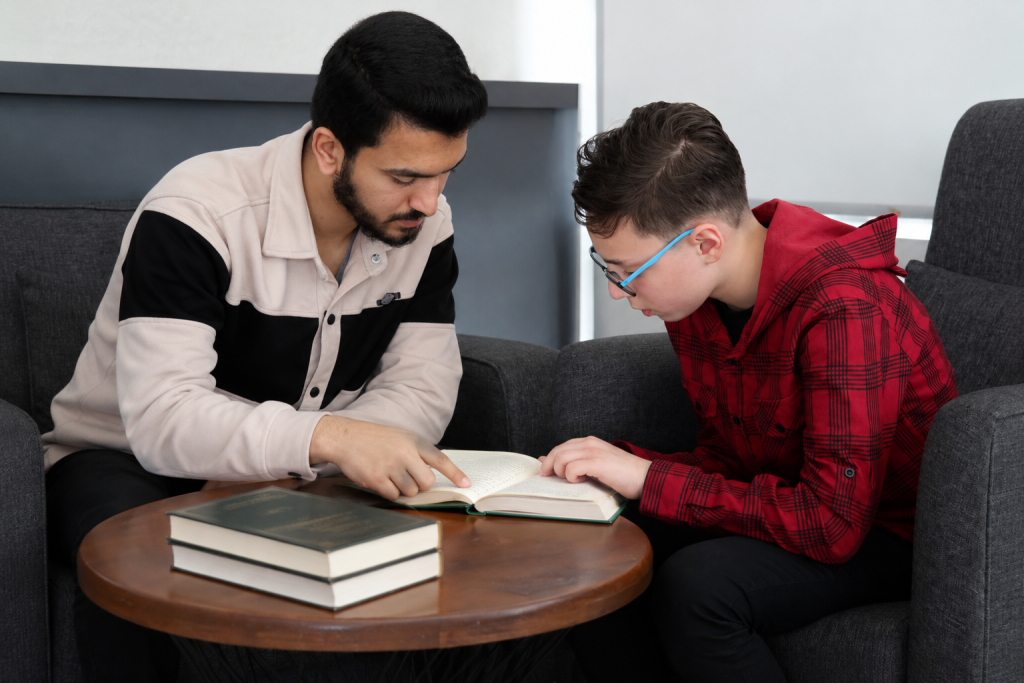
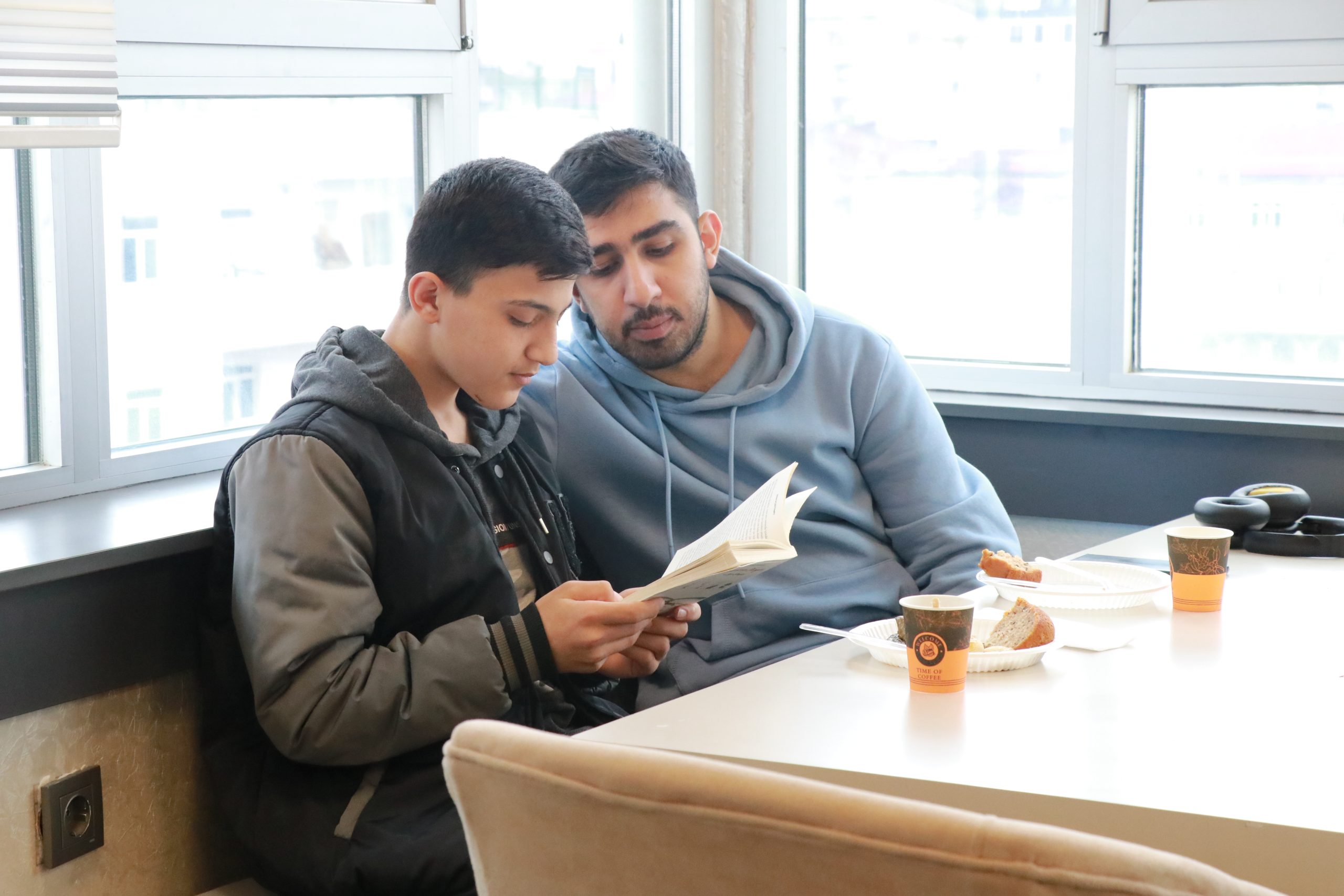
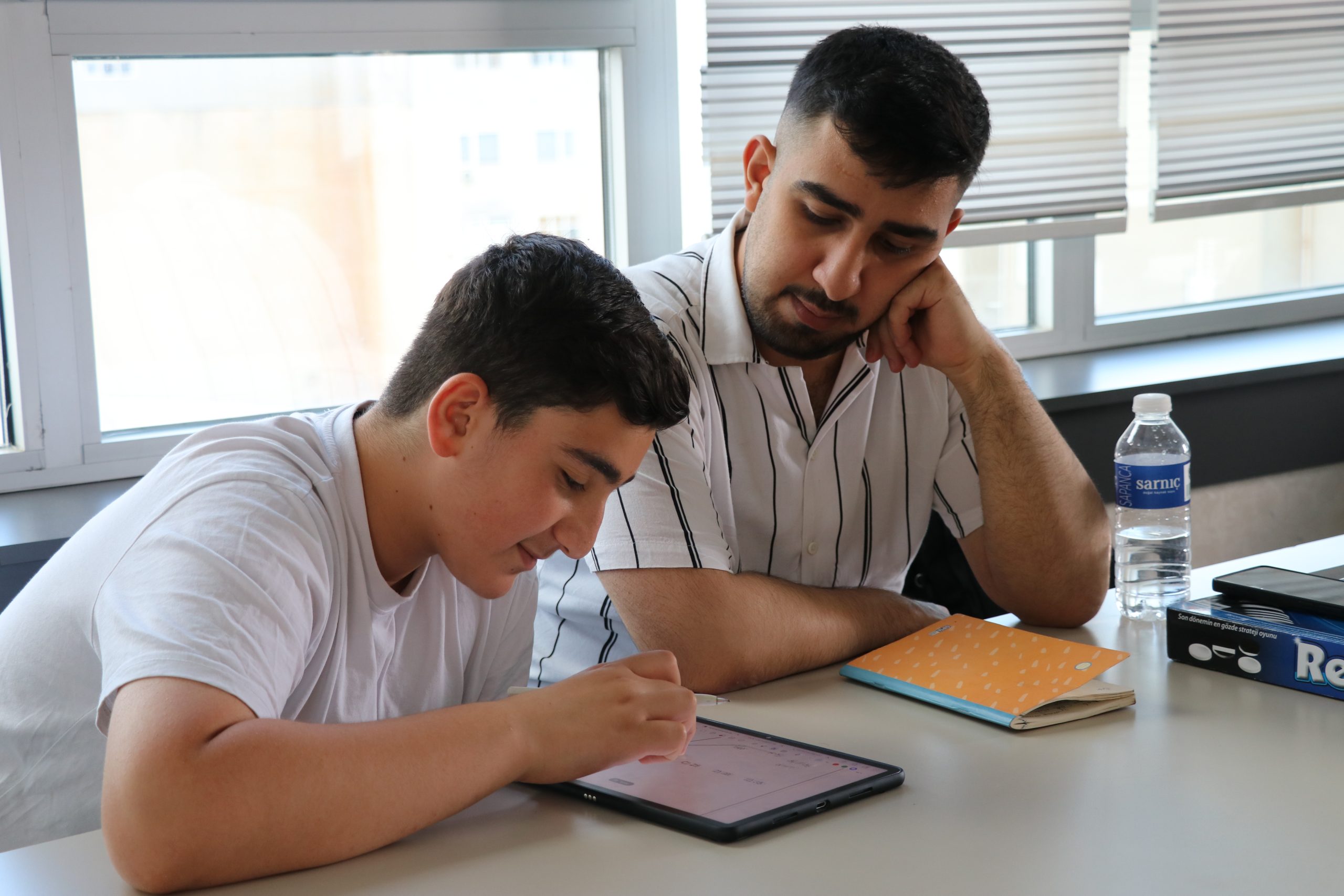
Moments from our one-to-one meetings, where experiences are shared and meaningful connections are strengthened.

Frequently Asked Questions

Middle and high school students, high school graduates, young people who have taken a break from education, and students enrolled in Vocational Education Centres (MESEM) can apply as mentees. University students, university graduates, and volunteers with the required qualifications can apply as mentors.

Mentor applicants are assessed based on their motivation to volunteer, communication skills, ability to commit regular time to the programme, adherence to ethical principles, and suitability for the mentoring role. There is no requirement to have graduated from a specific academic discipline.

Yes. Participation in the programme is completely free of charge for both mentors and mentees.

Matching is never carried out randomly. The programme team carefully pairs mentors and mentees by considering factors such as gender, age, educational background, interests, goals, individual needs, language skills, and personal characteristics to ensure a compatible and effective mentoring relationship.

The programme runs for one year and consists of four terms. Each term includes eight meetings, and mentors and mentees are expected to meet at least twice a month. Meetings are held face-to-face at the Refugee Association’s Social Café, with full consideration given to child safeguarding principles, safety, and privacy.

The process is planned around the goals jointly identified by the mentor and mentee, with the aim of building a regular, trust-based, and sustainable mentoring relationship.

Yes. Information shared within the programme is protected in accordance with the principle of confidentiality. However, in cases involving child safeguarding concerns, neglect, abuse, violence, or serious safety risks, the necessary information is shared with the programme team.

No. Matches are not made based on individual preferences. Instead, the programme team carefully pairs mentors and mentees by considering the mentee’s needs, the mentor’s qualifications, and the programme’s safeguarding principles. Where necessary, matches may be reviewed and adjusted during the course of the programme.

The programme is based on voluntary participation. Mentors or mentees who wish to leave the programme are expected to inform the programme team. Where necessary, a planned closure process is carried out or, when appropriate, a new match is arranged.

Yes. In addition to one-to-one mentoring meetings, we organise a variety of group activities designed to help mentors and mentees get to know one another, strengthen their social connections, and support their personal development. These include picnics, peer support gatherings, workshops, training sessions, career and personal development events, cultural visits, book and film activities, and community engagement initiatives. Activities are planned throughout the year based on the interests, needs, and aspirations of programme participants.