WOMEN’S WELFARE SERVICES
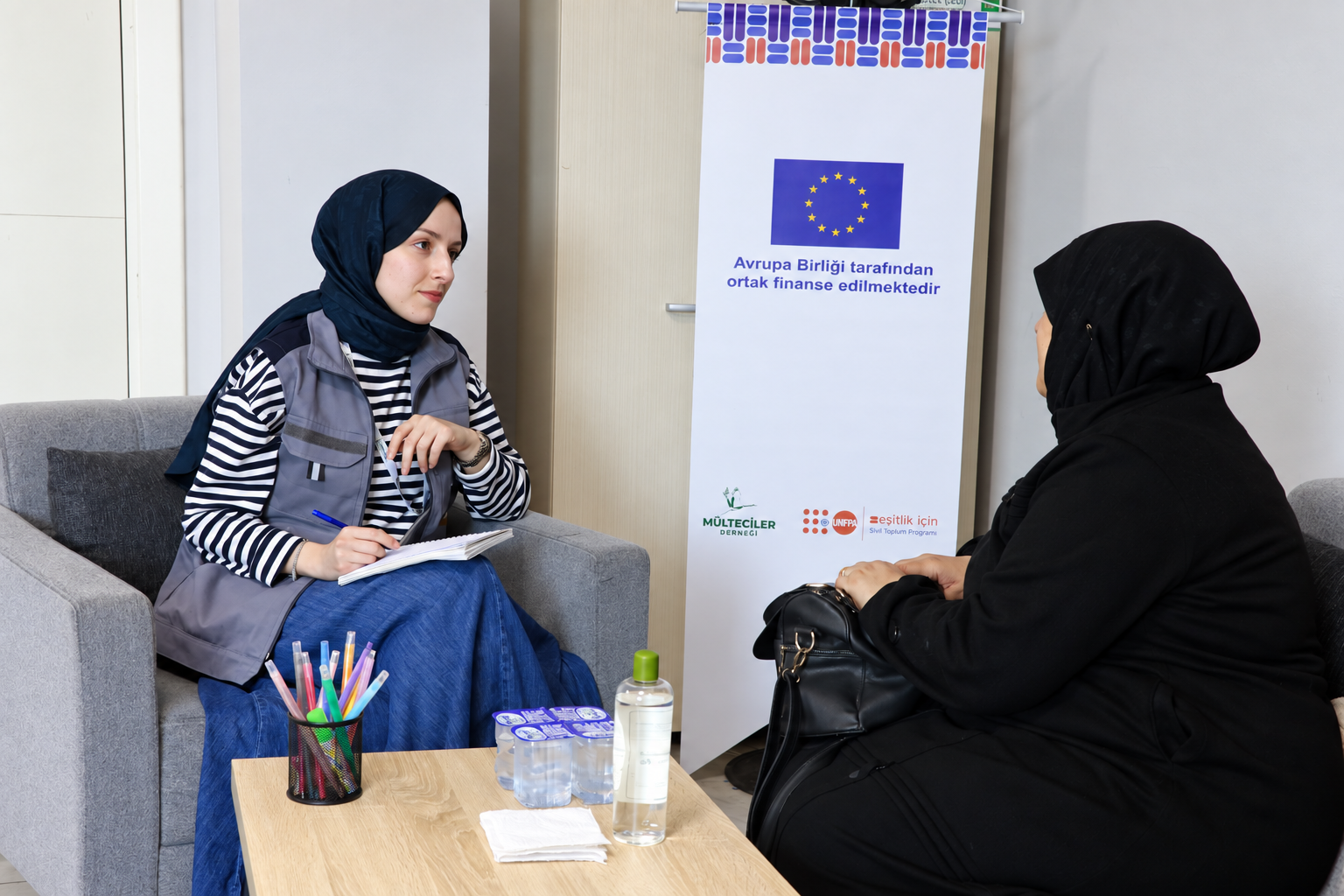
Mülteciler Derneği Kadın Refahı Birimi, yalnız kadınlar, yalnız ebeveynler, barınma ihtiyacı olanlar, insan ticaretine maruz kalmış veya kalma riski taşıyan kadınlar ile zorla fuhuşa yönlendirilen kadınlara ve toplumsal cinsiyete dayalı şiddet mağdurlarına destek sunmaktadır. Amacımız, haklarını bilen, bağımsız ve kendi ayakları üzerinde durabilen güçlü kadınların toplumda her yerde var olmasını sağlamaktır.
WHAT WE DO?
Kadın Refahı Birimi, özellikle risk altında ve şiddete maruz kalan kadınların haklarını, haklarını ve güçlenmesini desteklemek için sunuyor. Başvuran veya yönlendirilen tedavilerle yapılan değerlendirmeler sonucunda vaka takibi başlatılır. Bu sürecin, görüşmenin maliyetinin karşılanması, risklerini en aza indirmesi ve uygun destek sunması için planlama, yönlendirme ve takip adımlarını içerir. Birim ürünleri ekolojik sistem ve politikaları çerçevesinde yürütülür; Kadınların kendi yaşamları üzerinde kontrol sahibi olmaları, toplumsal eşitsizliklerle başa çıkmaları ve temel hizmetlere erişimlerini birleştirmeyi amaçlar.
Household visits are conducted to assess the individual’s overall situation. During these visits, living conditions and safety concerns are evaluated. When necessary, applications are made to relevant services, referrals are provided to appropriate institutions, and the process is followed up.
Institutional referral and accompaniment: When necessary, individuals are referred to Violence Prevention and Monitoring Centers (ŞÖNİM), law enforcement agencies, hospitals, or other relevant institutions, and Unit staff provide accompaniment throughout the process.
Safe accommodation: When individuals need access to safe accommodation, transportation and interpretation support are provided, and the process is closely monitored.
Step-by-step support: When individuals are unable to manage the process independently, including due to psychological difficulties, step-by-step support is provided throughout all stages.
Medical reports and documentation: When necessary, individuals are accompanied to hospitals to obtain medical reports documenting physical violence and to complete relevant official procedures. Field visits and case follow-up continue after the immediate crisis has passed, with the aim of empowering individuals and ensuring their long-term safety.
The Women’s Welfare Unit provides humanitarian assistance to meet individuals’ basic needs and support improvements in their living conditions. This assistance includes both in-kind support (food, clothing, hygiene supplies, etc.) and cash assistance.
Based on the individual’s needs and the identified risks, internal and external referral support is provided at every stage of the process. Depending on the situation, individuals may be referred to relevant units within the organization or to external institutions such as law enforcement agencies, Violence Prevention and Monitoring Centers (ŞÖNİM), hospitals, the Directorate General of Migration Management, or other public institutions. The referral process is planned, coordinated, and followed up with priority given to ensuring the individual’s safety and protecting their rights.
Our Unit regularly organizes training programs and seminars to increase women’s awareness of their rights, strengthen their access to support mechanisms, and promote their empowerment. The training programs are designed based on empowerment and fundamental social work approaches. Training topics include:
Complaint Mechanisms: Available channels for reporting rights violations and incidents of violence
Empowerment Training: Activities aimed at strengthening women’s awareness, skills, and capacity
Support Mechanisms for Women: Available social, legal, and psychological support services
Bodily Privacy Training: Guidance on personal boundaries, bodily autonomy, and protection methods
Gender-Based Violence (GBV) Training: Types of violence, rights, and protection mechanisms
Risks of Child Marriage: Awareness-raising and prevention activities
These training programs are conducted regularly to raise awareness among participants, protect their rights, and support their empowerment.
Frequently Asked Questions
Türkiye’de eş nafakası hakkı yalnızca yasal olarak tanınmış bir evlilik durumunda ortaya çıkar . Medeni nikahsız ilişkilerde boşanma davası açmak veya eş nafakası talep etmek mümkün değildir.
Evliliğin sona ermesinin ardından maddi sıkıntıya düşmeyecek kişiler, düzenli geliri veya maaşı olanlar, ücretli bir işte çalışanlar, memurlar veya geliri eşinin gelirine benzer olanlar yoksulluk nafakasından yararlanmaya hak kazanamayabilirler.
Eğer çiftin birlikte bir çocuğu varsa, velayeti olmayan ebeveynin çocuğun bakım ve eğitim masraflarına katkıda bulunmak için çocuk nafakası ödemesi gerekebilir. Çocuk nafakası yalnızca çocuğun en iyi çıkarlarını korumak amacıyla verilir.
Türkiye’de bir çalışanın hamile olması nedeniyle işten çıkarılması hukuka aykırıdır. Türk İş Kanunu ve ilgili mevzuat, hamilelik süresince ve doğum öncesi ve sonrası dönemde kadınların çalışma haklarını korumaktadır.
İşveren, hamileliğiniz nedeniyle sizi işten çıkaramaz, pozisyonunuzu değiştiremez veya haklarınızı kısıtlayamaz. Bu gibi durumlarda, işe iade ve tazminat talep etme hakkınız olabilir. Ancak, deneme süresi içinde işten çıkarılma veya işyerinin tamamen kapatılması gibi bazı istisnalar geçerli olabilir.
Hamile çalışanlar ayrıca doğum öncesi ve sonrası annelik izni, ücretsiz izin, emzirme izni ve çalışma koşullarıyla ilgili özel korumalar da dahil olmak üzere ek hak ve korumalara sahiptir.
Türkiye’de çalışan anneler toplam 24 haftalık yasal doğum iznine hak kazanırlar. Bu süre , doğumdan önceki 8 hafta ve doğumdan sonraki 16 haftadan oluşmaktadır . Çoğul gebeliklerde, doğum öncesi izin süresine ek olarak 2 hafta daha eklenir.
Kadın çalışanların doğum izni bitmeden işe dönmeleri zorunlu değildir. Ayrıca, doğum izninden sonra çalışanlar, isterlerse ücretsiz izin veya yarı zamanlı çalışma gibi seçeneklerden yararlanabilirler.
Bir işveren, bir kadının doğum izni hakkını kullandığı gerekçesiyle onu işten çıkaramaz veya çalışma haklarını kısıtlayamaz.
Barınma talepleri ve şikayetler için, bireyler öncelikle polis veya jandarma gibi kolluk kuvvetleriyle iletişime geçmelidir. Evden ayrılmak mümkün değilse veya acil bir durum söz konusuysa, 112 Acil Çağrı Merkezi veya ALO 183 Sosyal Destek Hattı aranarak 7/24 destek talep edilebilir . Alternatif olarak, Arapça ve İngilizce dahil olmak üzere dil seçenekleri sunan KADES uygulaması , tek bir tuşla kolluk kuvvetleriyle iletişime geçmek için kullanılabilir.
Foreign nationals under international protection or temporary protection, regardless of gender, may establish a sole proprietorship or a capital company in Türkiye using their foreign identification number beginning with 99. The procedures for establishing a business are generally as follows:
Tax Office Application: An application is submitted to the tax office with the required documents to establish the business, obtain a tax certificate, and complete the relevant tax procedures.
Tradesmen and Craftsmen Registry: Registration is completed with the Tradesmen and Craftsmen Registry, along with membership in the relevant professional chamber.
Work Permit Application: A work permit application is submitted through e-Government (e-Devlet). A work permit is required for the individual to legally work in their own business.
Bağ-Kur Registration: Registration with Bağ-Kur is completed within the scope of the social security system.
Municipal Business License: An application is submitted to the relevant municipality for the workplace opening and operating license. The license is issued following the municipality’s required inspections and assessments.
Once these procedures are completed, foreign nationals under temporary or international protection may legally establish and operate their own businesses in Türkiye.
Having more than one legal marriage is prohibited in Türkiye. Under the Turkish Civil Code, a person cannot be legally married to more than one person at the same time, and only one official marriage is legally recognized.
In Türkiye, a civil marriage is required for a marriage to be legally recognized. Under the Turkish Civil Code, a civil marriage must be performed before an authorized marriage officer for the marital union to have legal validity. Civil marriage provides the legal basis for protecting the rights and responsibilities of both spouses.
Under the Principle of Equal Treatment set out in Article 5 of the Turkish Labour Law, discrimination in employment based on language, race, color, sex, disability, political opinion, philosophical belief, religion, sect, or similar grounds is prohibited.
Unless justified by biological reasons or reasons related to the nature of the work, an employer may not treat an employee differently on the basis of sex or pregnancy when establishing, determining the conditions of, implementing, or terminating an employment contract.
Lower pay cannot be determined on the basis of sex for work of equal value. Special protective rights granted to employees due to sex or pregnancy, such as maternity leave and breastfeeding leave, do not justify lower pay.
Women and men have equal rights before the law.