OUR CORE PRINCIPLES
NON-HARM
NON-DISCRIMINATION
INFORMED PERMISSION & WILL
HIGH BENEFIT OF CHILD
ACCOUNTIBILITY
RESPECT TO PRIVACY
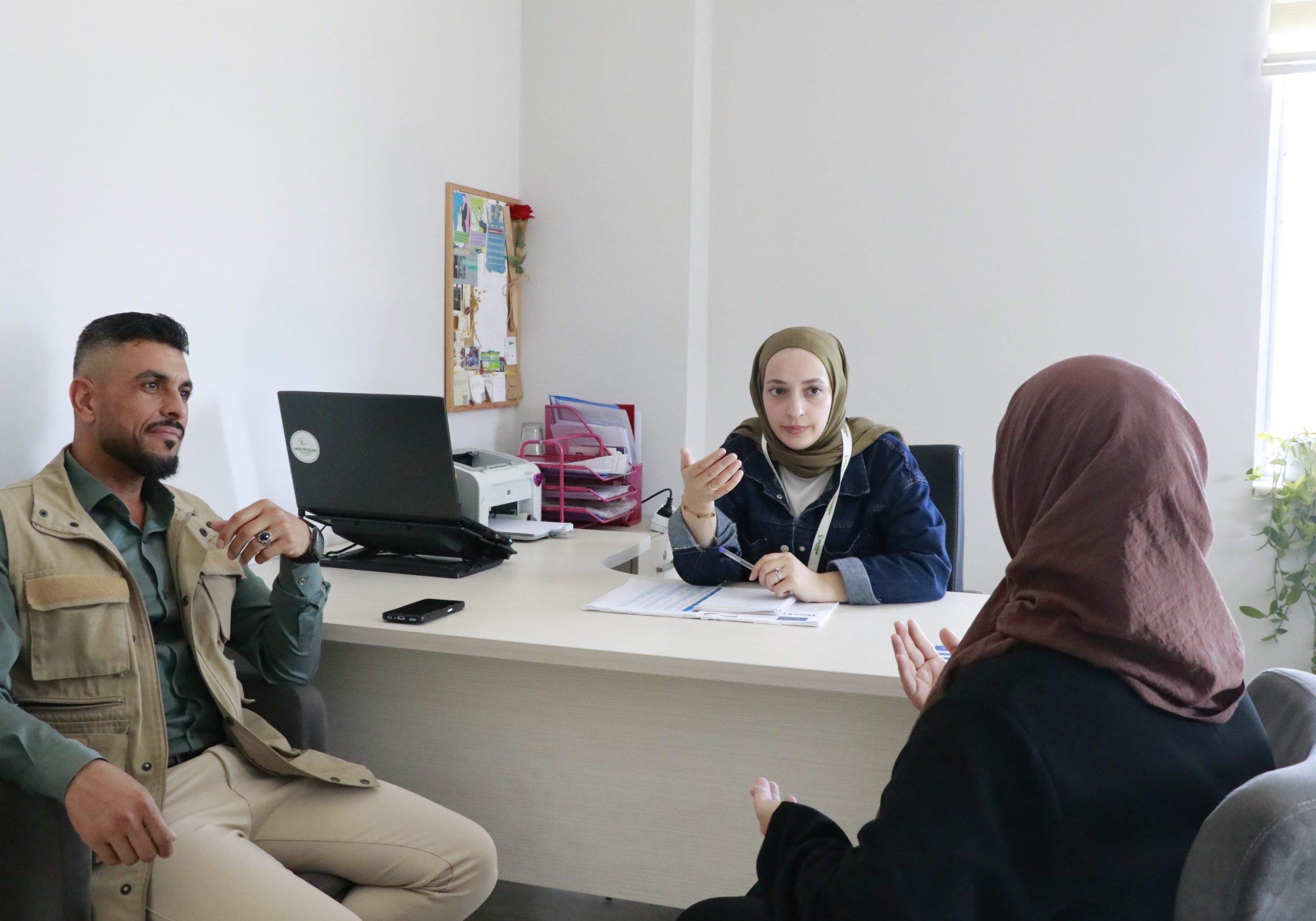
The Social Counseling Services Unit serves as the first point of service provision within the organization. Applicants’ protection risks, social support needs, and available resources are assessed through a holistic approach. Based on identified needs and vulnerabilities, appropriate service planning is carried out and the case management process is initiated.
Following the needs assessment, the Unit refers applicants to relevant services within the organization and ensures follow-up throughout the process. In this context, individuals are referred to the Women’s Welfare Services, Child Welfare Services, Health and Well-Being Services, Legal Counseling Services, Employment Services, and Education Services units, enabling them to access appropriate support mechanisms based on their needs. The effectiveness of the services provided is regularly monitored within the framework of the case management approach, and reassessment and referral processes are carried out when necessary.
In addition to internal referrals, when individuals’ needs fall outside the organization’s capacity or require different areas of expertise, external referrals are made to public institutions, local authorities, national and international non-governmental organizations, and other service providers. This approach supports applicants in accessing the services they need as quickly and effectively as possible.
Individuals who apply directly to the Association or are referred by public institutions and other partner organizations are assessed through a holistic approach to identify their needs and vulnerabilities. Based on the identified needs, a case management process is initiated, and planning, assessment, referral, coordination, and follow-up activities are carried out in accordance with international protection and social work principles.
Within the scope of case follow-up, individuals are supported in accessing the services they need, referral outcomes are regularly monitored, and necessary updates are made in response to changing needs to ensure the effective continuation of protection and support processes.
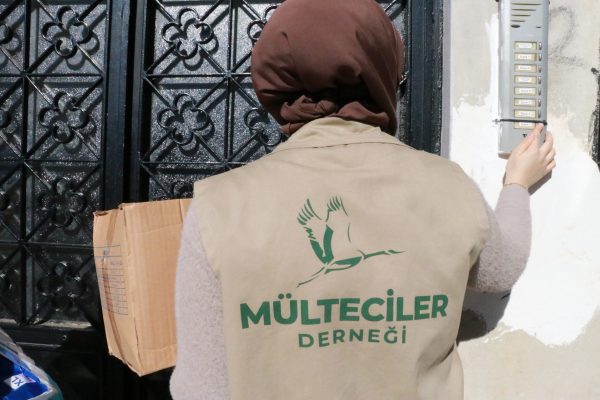
Household social assessments are conducted for individuals and families who face difficulties accessing the Association’s services or who, following an initial assessment, are identified as requiring an on-site evaluation. As part of this process, household visits are carried out to assess individuals’ living conditions, available resources, needs, risks, and protection concerns through a holistic approach.
Based on the social assessment and community-level inquiry, the vulnerabilities of individuals and families are identified, information is provided regarding access to rights and services, and referrals are made to relevant units within the organization or to appropriate public institutions and other service providers according to their needs. When necessary, a case management process is also initiated, with follow-up and coordination activities carried out accordingly.
Preventive, protective, and informative activities and seminars are organized to strengthen individuals’ access to rights and services, increase their awareness of available support mechanisms, and raise awareness of potential risks. Through these activities, individuals are supported in enhancing their capacity to access the services they need and effectively benefit from protection mechanisms.
Humanitarian assistance activities are carried out as part of the case management process to support individuals and families in meeting their basic needs. Based on needs and vulnerability assessments, in-kind and cash assistance is provided to eligible cases with the aim of reducing the risks they face and improving their living conditions.
Humanitarian assistance is provided not merely as an intervention to meet short-term needs, but within a holistic social work approach that aims to strengthen individuals’ capacity to cope with existing challenges, improve their access to rights and services, and support them in achieving sustainable solutions. Accordingly, assistance processes are implemented alongside case management plans designed to strengthen individuals’ self-reliance and available resources rather than increase their dependency on assistance mechanisms.
Based on the needs and vulnerability assessments conducted as part of the case management process, internal and external referrals are made to strengthen individuals’ access to rights and services. The referral process includes identifying services appropriate to the individual’s needs, establishing contact with relevant institutions and organizations, and, when necessary, following up on referral outcomes.
For individuals facing various barriers to accessing services, advocacy activities are carried out when necessary, and coordination is established with relevant institutions. In addition, accompaniment support may be provided when needed to facilitate individuals’ effective access to the services they require.
To receive services from the Refugees Association, applicants are first registered in the Social Support System at the Registration Desk. Following registration, applicants are initially referred to the Family Counseling Unit. Based on their assessments, our social workers develop an appropriate support plan and initiate the case follow-up process, including internal and external referrals.